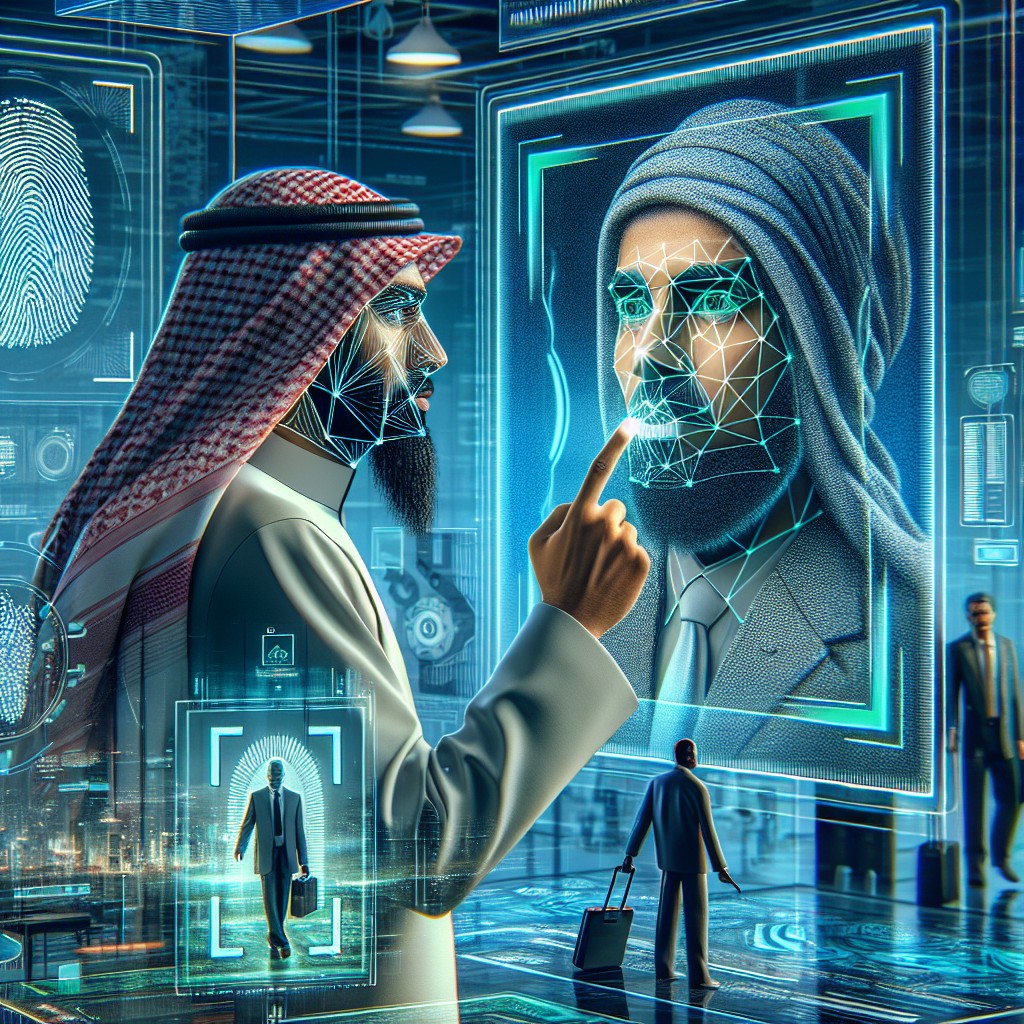
The landscape of digital identity is rapidly evolving as individuals and organizations seek more secure methods of authentication and identity management. With increasing cyber threats and data breaches, understanding what constitutes a safer login today is critical for security and privacy.
Emerging Trends in Digital Identity Management
In recent years, the concept of digital identity has expanded beyond basic username and password combinations. Technologies such as biometrics, multi-factor authentication (MFA), and decentralized identity protocols are gaining prominence. These advances aim to reduce fraud and improve user experience by offering more reliable verification methods that are harder to compromise.
The Shift Away from Password-Only Authentication
Traditional passwords have long been criticized for their vulnerability to hacking and user inconvenience. The modern approach to safer login emphasizes multi-layered verification. MFA, which requires users to provide two or more forms of identification, such as something they know (password), something they have (security token), or something they are (fingerprint), has become a standard for enhancing digital identity security.
Decentralized Identity and User Control
Decentralized identity models are reshaping how digital identity data is stored and shared. Unlike centralized databases prone to large-scale breaches, decentralized systems allow users to hold and control their identity data on personal devices or distributed networks. This approach promises greater privacy and reduces reliance on third-party platforms. Major organizations and consortia, including the World Economic Forum, are researching and endorsing these decentralized identity frameworks.
Regulatory Environment Influencing Digital Identity
Governments worldwide are introducing regulations that impact digital identity management and authentication methods. The European Union’s eIDAS regulation sets standards for electronic identification and trust services, promoting interoperability across member states. Similarly, data protection laws like GDPR emphasize securing personal data, which directly affects how digital identity information must be managed and safeguarded by organizations.
Challenges and the Future of Safer Login
Despite technological advancements, challenges remain in implementing universally accepted digital identity solutions. Issues such as accessibility, user education, and balancing security with convenience are central concerns. Moreover, achieving widespread adoption of new authentication methods requires collaboration among technology providers, regulators, and users. Nonetheless, the direction points toward increasingly sophisticated and user-centric systems.
Frequently Asked Questions about digital identity
What is the significance of digital identity in modern cybersecurity?
Digital identity is crucial in modern cybersecurity because it represents the credentials that verify users’ access to online services, and strengthening this identity helps protect against unauthorized access and fraud.
How do multi-factor authentication methods improve digital identity security?
Multi-factor authentication improves digital identity security by requiring multiple forms of verification, making it more difficult for attackers to impersonate users even if one factor, such as a password, is compromised.
What role does decentralized digital identity play in user privacy?
Decentralized digital identity enhances user privacy by enabling individuals to control their personal data directly without relying on centralized authorities, thereby reducing exposure to data breaches and misuse.
Are regulations affecting how digital identity systems are developed?
Yes, regulations like the EU’s eIDAS and GDPR influence digital identity system development by imposing standards for security, privacy, and interoperability that developers must comply with.
Where can I find authoritative resources on digital identity?
Authoritative resources on digital identity can be found on the websites of organizations such as the World Economic Forum and cybersecurity-focused government agencies, which provide up-to-date guidance and research.